A listening story · 2026
Flamentürko
How one uncredited Gipsy Kings song became a whole sound of 90s Turkish pop.
Tarkan
Vazgeçemem
You know this song.
If you were anywhere near a radio, a wedding hall or a minibus in Turkey in 1993, you know it. The slow one. The one with the hair. The one your aunt still asks the DJ for.
Now press play on this one.
Gipsy Kings
No Volveré
Give it until the chorus.
Yes.
Here's the sleeve of the cassette it came out on: Tarkan's debut, Yine Sensiz, İstanbul Plak, 26 December 1992. Side B, track one.
- Söz
- Tarkan
- Müzik
Lyrics by Tarkan. Music by… nobody, apparently.
This is a story about a family band of French gitanos from Arles, and what Turkish pop did with them. It started with one song, lifted without credit. Then it became a sound, with its own house guitarists, its own singers and, eventually, its own name: Flamentürko. Along the way there are cassette credits that contradict themselves, and a plot twist that runs the other way.
Get your headphones. There's a lot of music in this one.
1. Çingene Krallar geliyor
The Gypsy Kings are coming.
In August 1988, a Turkish newspaper spelled them "Gibsy Kings", then helpfully translated.
Milliyet
LATİN müziğinin güçlü topluluğu 'Gibsy Kings' (Çingene Krallar) dün uçakla İstanbul'a geldi.
Latin music's powerhouse group 'Gibsy Kings' (the Gypsy Kings) flew into Istanbul yesterday.
Quick backstory for anyone who wasn't there. The Gipsy Kings are the Reyes brothers, sons of the flamenco singer José Reyes, and their Baliardo cousins, from Arles in the south of France. They play rumba flamenca: Spanish gitano guitar with a strummed, galloping rhythm built for parties, not for sitting quietly in a tablao. In 1987 their self-titled album did something almost nothing sung in Spanish had done: it stayed on the US Billboard 200 for 40 weeks. "Bamboléo" was everywhere.
Gipsy Kings
Bamboléo
Gipsy Kings
Djobi Djoba
Turkey got it immediately. That August trip, four concerts in Istanbul and İzmir, was actually their second. On 6 April 1988 they had played the Discorium club in Istanbul. Entry with dinner cost 150,000 lira, and the tickets sold out before the band had even landed. The next morning they held a press conference, went sightseeing at Topkapı, and told reporters they wanted to meet the Roma of Sulukule.
That summer, an Anadolu Ajansı survey of Ankara record shops put their "Bambaleo" and "Djobi-Djoba" cassettes near the top of the best-selling foreign tapes. By 1990, "Bamboleo" was playing on TRT's Müzik Yelpazesi.
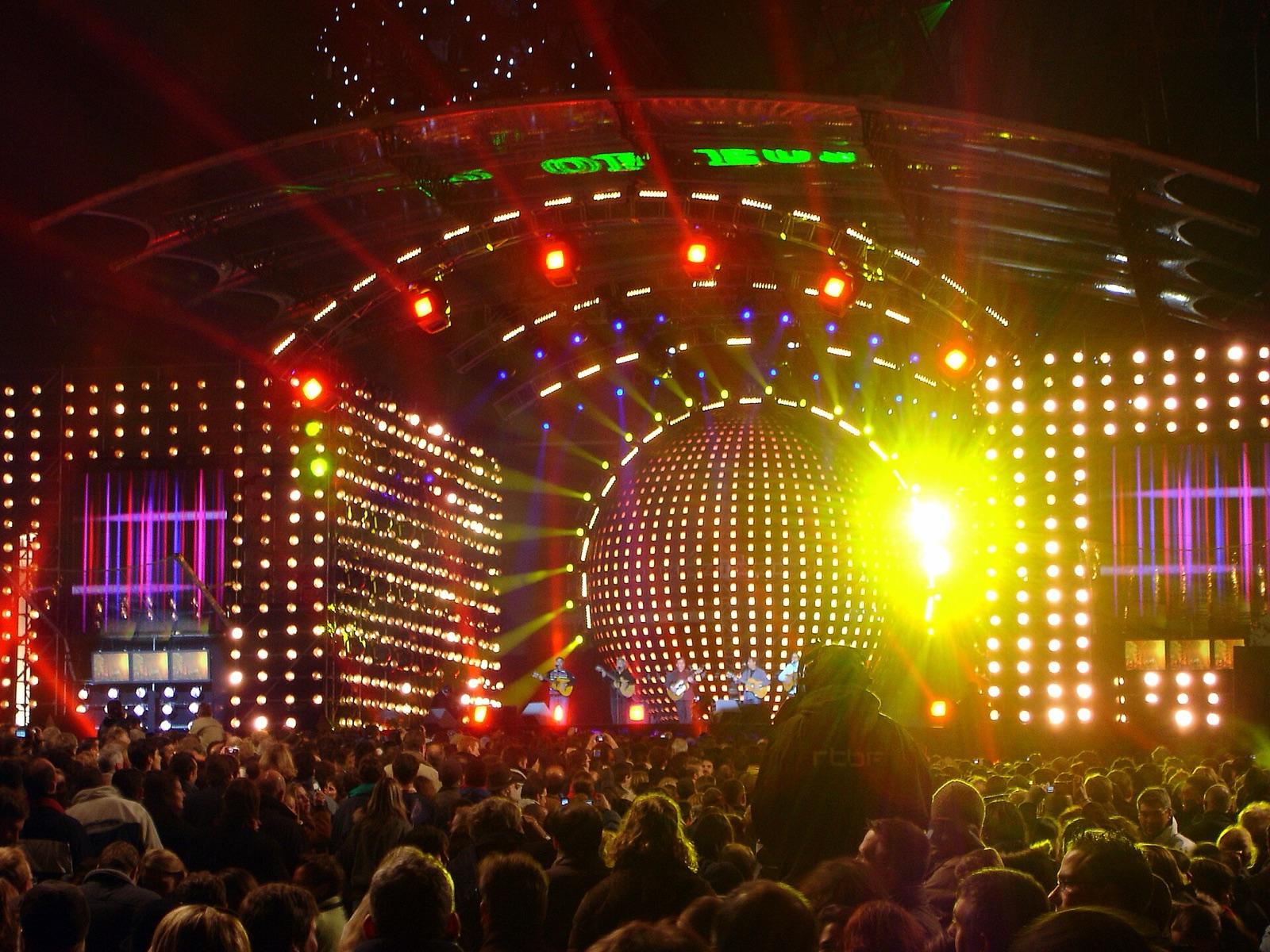
Why did it land so hard here? Part of it is in the notes. Flamenco's favourite minor turns, the ones that sound Andalusian and a little Eastern, sit very close to the makams Turkish ears grew up on. Part of it is the people: a band of Roma musicians who asked for Sulukule on their first morning in town. A Milliyet critic put it best a few years later:
Milliyet Cumartesi
Biz zaten seviyorsak Gipsy Kings 'gitar güruhunun' içli sesini, kendimize yakın bulduğumuz Ortadoğu melodilerini kullanmalarını severiz.
If we love them, it's for the soulful sound of the 'guitar gang' and their use of Middle Eastern melodies we find familiar.
So by the turn of the decade, it felt like everybody in Turkey had a Gipsy Kings tape: the guitar kids, the wedding bands, the arranger in Unkapanı looking for a summer hit.
And somewhere in Istanbul, a kid who'd grown up in Germany was listening very carefully.
2. The demo
Tarkan Tevetoğlu was born in Alzey, West Germany, and moved to Turkey as a teenager. Around 1990–91 he walked into İstanbul Plak with a set of demos. Decades later, his first producer, Mehmet Söğütoğlu, told BBC Türkçe that they loved the songs, "Vazgeçemem de dahil olmak üzere": including "Vazgeçemem".
You've already heard where that one came from.
Yine Sensiz came out on cassette on 26 December 1992. Tarkan was twenty. Arranger Ozan Çolakoğlu built it, like most Turkish pop albums of the day, partly from foreign melodies with new Turkish lyrics. The practice had a name going back to the 60s, aranjman, and in the early-90s cassette economy, crediting the original writer was more of a vibe than a rule.
What's clever about "Vazgeçemem" is what they changed. The Gipsy Kings' rumba guitars are mostly gone. In their place: an oud, played by Ergin Kızılay, and a slow, swaying ballad tempo. It's the same song, moved from a beach bar in the Camargue to a meyhane on the Bosphorus.
The video landed in June 1993. Album sales took off all over again, and Billboard later reported more than 600,000 copies sold. It became one of the defining slow songs of the era. The 1993 CD reissue still didn't credit anyone for the music. Years later, Discogs editors quietly added their own line to the listing: "Music By [Uncredited] – Gipsy Kings."

One hit. Within a year, there were three of them.
3. Everyone wants a piece
Here's where it gets funny.
In August 1993, the arabesk-fantezi star Kibariye opened her new album with "Vazgeçemem". Same melody, same Tarkan lyrics, but rebuilt for a completely different Turkey: kanun, ney, a string section, and a voice that could fill a wedding hall without a microphone.
Then Seda Sayan recorded it too, as "Vazgeçemem (No Volvere)", putting the original Spanish title right there in brackets on the sleeve.
So what did the credits say? I'm glad you asked.
| Release | Söz | Müzik |
|---|---|---|
| Tarkan · cassette · 1992 | Tarkan | |
| Kibariye · cassette · Aug 1993 | Tarkan | Anonim |
| Kibariye · CD · Aug 1993 (same album) | Tarkan | Gipsy Kings |
| Seda Sayan · 1993 · “Vazgeçemem (No Volvere)” | Alpay Aydın |
Same album, same month. The cassette says the music is anonymous. The CD says Gipsy Kings. And Seda Sayan's sleeve names the Spanish song it came from, credits a different lyricist, and still doesn't credit a composer.
Pick your favourite.
This is the Unkapanı cassette market in a single song: a good tune passes from hand to hand, and the composer's name falls off somewhere along the way.
Meanwhile, in France, the Gipsy Kings were about to do something with a Turkish song.
4. Plot twist
In 1992, Nilüfer released Yine Yeni Yeniden. One of its songs was "Yeniden Sev", written by Onno Tunç, one of the great composers and arrangers of Turkish pop's golden era.
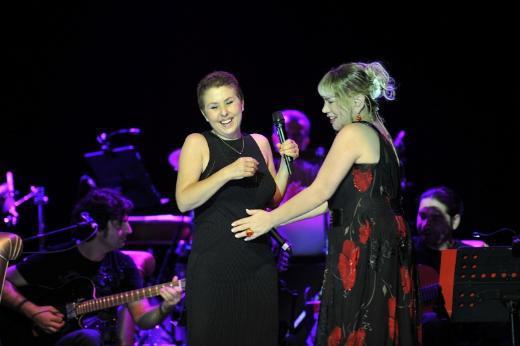
In November 1993, the Gipsy Kings released Love & Liberté. Track nine on the European CD, and the opening track of the American edition, is a song called "No Viviré".
It's "Yeniden Sev".
And here's the bit I love. The European sleeve says, plainly:
- Written-By, Composed By
- Onno Tunç
Their US label credits it to "Gipsy Kings & Onno Tunç".
So, for the record: Turkish pop borrowed a Gipsy Kings song and didn't credit them. The Gipsy Kings borrowed a Turkish song and credited the songwriter, as track one in the US.
How "Yeniden Sev" reached a family band in Arles is undocumented. A cassette in a tour bus? A producer with good taste? If you know, please write to me.
Interlude: the other Spanish guitar
One quick detour, because it matters for what comes next.
In 1993, Levent Yüksel released Med Cezir, produced by Sezen Aksu. Its big hit was "Tuana", and that unmistakable flamenco guitar line is Paco de Lucía's "Palenque" from 1981. This one, for once, is credited.
The guitarist who arranged and played it was Erdem Sökmen. Remember that name, and add a second one: Erdinç Şenyaylar. Between them, these two session guitarists appear on an absurd number of 90s Turkish pop records, including Tarkan's, Kibariye's, and almost every record in the next chapter. If Flamentürko had a house band, it was them.
5. Flamentürko
By the middle of the decade, nobody needed to copy a specific Gipsy Kings song anymore. They copied the whole package: the strummed nylon-string guitars, the hand percussion, the Mediterranean-summer romance, the open shirt.
The class of '95–'96 came out of the same few studios. Akın opened with "Rebeka" in June 1995, partly recorded in New York with three acoustic guitarists on the sleeve. Ege followed in August with "Delice Bir Sevda", all over that summer. By January 1996 the two of them sat on the same weekly chart. Then came Yaşar, on Ege's label, with Ege's arranger, Ege's engineer and the same guitarists; his sleeve for "Kumralım" credits "Flamenco Guitar – Erdinç Şenyaylar" outright. Nobody was lifting melodies anymore. Everybody was borrowing a sound.

By 1997, not everyone was charmed. Bassist Erdal Kızılçay, one of the great Turkish session musicians, complained to Milliyet:
Milliyet Pazar
Türkiye'de tutan bir tarz oldu mu üzerine gidiyorlar. İşte Gipsy Kings gibi. O zaman bir şahsiyet olunmuyor.
In Turkey, once a style catches on, everyone piles onto it. Like the Gipsy Kings. Then nobody has their own identity.
And then came Ata.
Salih Ata released his debut on Kiss Müzik in August 1998. The title track, "Aşksız Olmaz", is credited today, on the official reissue, as "Müzik: Gipsy Kings", and a YouTube channel in his name gives the source as "Un Amor". Another song on the same album, "Maria", is credited to "Flamenko Anonim", which I think is the most honest credit in this entire story. Of everyone here, Ata wore the influence most openly. He died in November 2020.
Within weeks, the sound had a name in print.
Milliyet Vitrin
…'yepyeni bir yorumcu' denilen Ata'nın 'Aşksız Olmaz' adlı albümünde yaptığı müziğe 'Flamentürko' deniliyor.
…the music on Ata's album Aşksız Olmaz (the ads call him 'a brand-new interpreter') is being called 'Flamentürko'.
Who coined it? The following June, Milliyet gave the credit to radio people: "Flamanturko", "led by Ege and Yaşar", with "a new name just added: Ata". And in September 1999, the Milliyet critic Efkan Kula delivered his verdict on the whole genre. Before you read it, your turn: here's the starter pack. Rate each act on the Gipsy Kings-o-meter.
Ege
1995 · Levent Ak from Bornova. Writes his own songs; borrows the whole mood.
Ege
Delice Bir Sevda
Akın
1995 · three acoustic guitarists, partly cut in New York. He calls it “Aegean-flavoured”.
Akın
Rebeka
Yaşar
1996 · Yaşar Günaçgün, not the arabesk Yaşar İpek. The sleeve credits “Flamenco Guitar”.
Yaşar
Kumralım
Ata
1998 · title track credited “Müzik: Gipsy Kings”.
Ata
Aşksız Olmaz
And then, of course, the real Gipsy Kings tried to come back.
6. Credit where it's due
The ending of this story is mostly irony.
July 1999. The Gipsy Kings are booked for the open-air theatre in Çeşme, at the height of Flamentürko summer, with half the country humming Turkish versions of their songs. At the last minute they don't show up, citing security. Ticket-holders protest outside. The originals were the only act that couldn't make it to their own party.
September 1999. Reviewing a Gipsy Kings best-of, that same Milliyet critic wrote the line that could sit on top of this whole piece:
Milliyet Gazete Pazar
Evde bir Gipsy Kings albümünüz bulunmasa da bu parçaların çoğunu bir yerlerden biliyorsunuzdur. Ya radyoda çalmıştır ya da bizden biri söylemiştir.
Even without a Gipsy Kings album at home, you know most of these songs from somewhere. Either the radio played them or one of our own singers sang them.
August 2000. Özcan Deniz releases "Gelde Gör", a Turkish version of the Gipsy Kings' "El Camino" from 1989. The sleeve credits the music to Baliardo. Seven years after a Kibariye CD got it right by accident, somebody did it on purpose.
2006, the final twist. Ege, the original Flamentürko, re-records his 2003 song "Sıcak Ekmek" for a new album. In Turkey it's billed "feat. Gipsy Kings". Spotify even links it to the real Gipsy Kings page today.
Except it's not quite them. The French release of what appears to be the same track credits Chico & the Gypsies, the band started by Chico Bouchikhi, a founding member of the Gipsy Kings who left in 1991. And the credits disagree again: the French side lists the composer as "J Bouchikhi", while the Turkish side lists words and music by Ege.
Ege feat. “Gipsy Kings”
Sıcak Ekmek
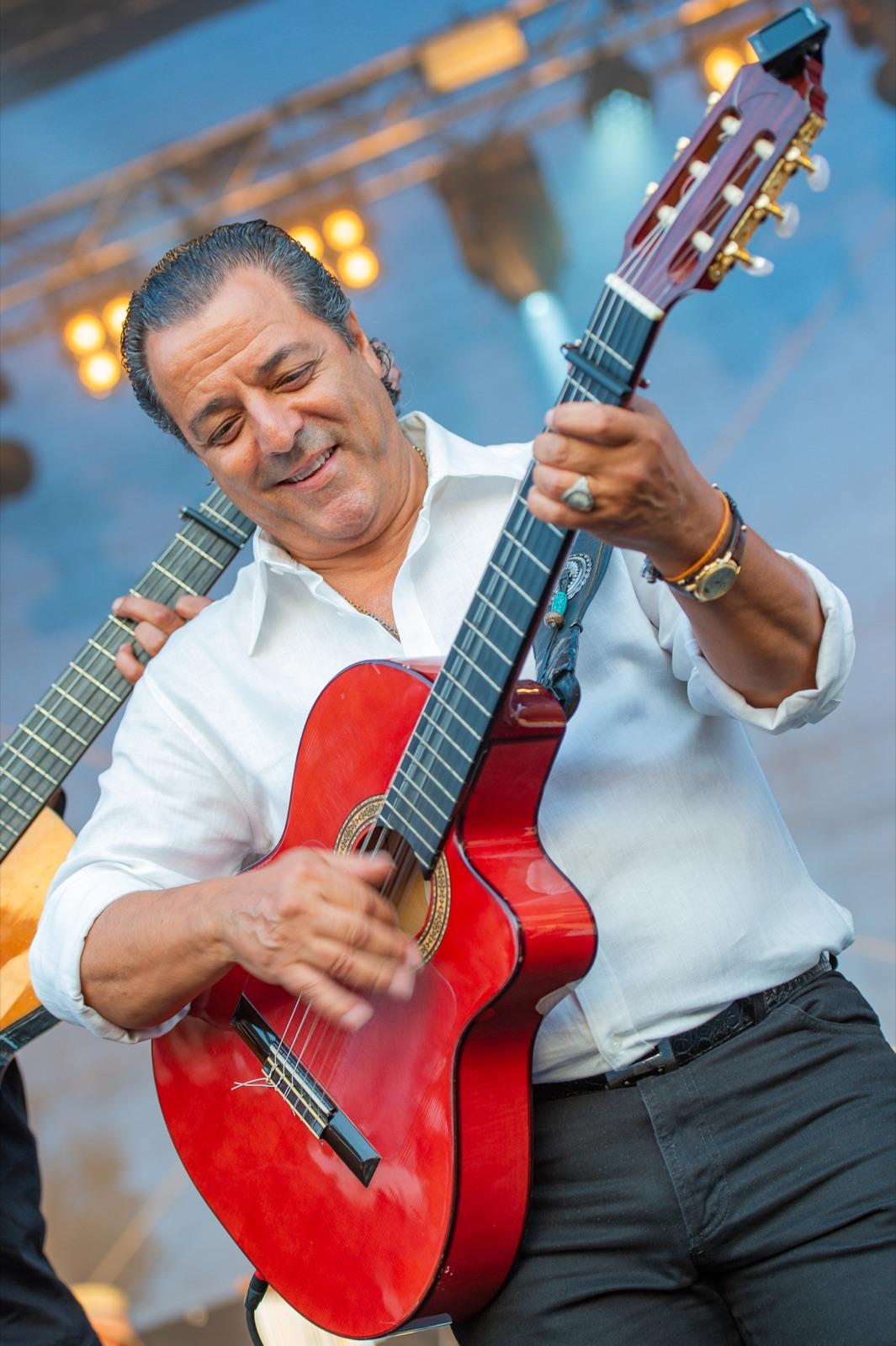
Fourteen years after "Vazgeçemem", the credits are still a mess. Only now it's the other way around.
A Turkish outlet claimed in 2023 that one in every three people in Türkiye knows a Gipsy Kings song. That isn't a statistic, it's a vibe. It's also probably an undercount, given that most of them learned it in Turkish.
Söz: Tarkan. Müzik: you know who.
Extras
The Rumour Mill
The internet says these are Gipsy Kings songs too. I couldn't pin them down, so here they are, side by side, no verdict. You tell me.
Volkan Konak
Lilalı Kız
Hande
Yeter Bana
Selçuk Aksoy
Elveda
Eda Berker
Haylaz
Hear it? Tell me.
One more question I couldn't answer: did the Gipsy Kings ever hear "Vazgeçemem"? I found no interview, no lawsuit, no comment. If they knew, they never said.
The playlist
The whole story, in order
- Vazgeçemem · Tarkan, 1992
- No Volveré · Gipsy Kings, 1991
- Bamboléo · Gipsy Kings, 1987
- Djobi Djoba · Gipsy Kings, 1987
- Vazgeçemem · Kibariye, 1993
- Vazgeçemem (No Volvere) · Seda Sayan, 1993
- Yeniden Sev · Nilüfer, 1992
- No Viviré · Gipsy Kings, 1993
- Palenque · Paco de Lucía, 1981
- Tuana · Levent Yüksel, 1993
- Delice Bir Sevda · Ege, 1995
- Rebeka · Akın, 1995open ↗
- Kumralım · Yaşar, 1996
- Un Amor · Gipsy Kings, 1989
- Aşksız Olmaz · Ata, 1998
- El Camino · Gipsy Kings, 1989
- Gelde Gör (El Camino) · Özcan Deniz, 2000
- Sıcak Ekmek · Ege feat. “Gipsy Kings”, 2006open ↗
Sources
Sleeve credits are from Discogs: Tarkan's Yine Sensiz cassette and CD; Kibariye's İşte Ses, İşte Yorum cassette and CD; Seda Sayan's Yeter Ki İste!; the Gipsy Kings' Love & Liberté and Nilüfer's Yine Yeni Yeniden. Ata's credits are from the official reissue on YouTube. Period quotes come from the Milliyet archive: 7 Apr, 3 Aug and 18 Aug 1988; 16 Feb 1997; 29 Aug 1998; 5 Jun, 26 Jul and 5 Sep 1999; 20 Oct 2001. Translations are mine. Photos are from Wikimedia Commons, credited in each caption; they show the artists later in their careers.